Lee Gowan is the author of the novels Confession, The Last Cowboy, (published in France as Jusqu’au bout du ciel), and Make Believe Love, which was nominated for the Trillium Award for best book in Ontario. He also published the critically acclaimed story collection Going to Cuba, and wrote the award-winning screenplay for Paris or Somewhere.
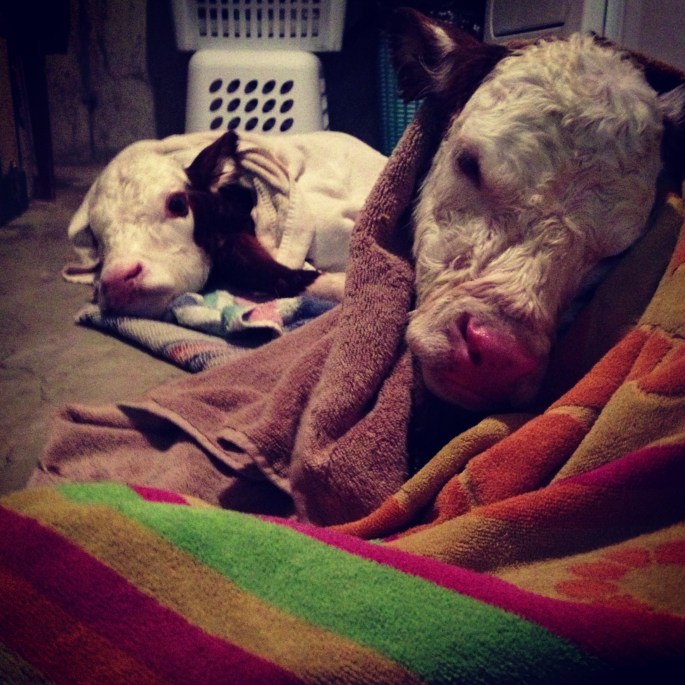
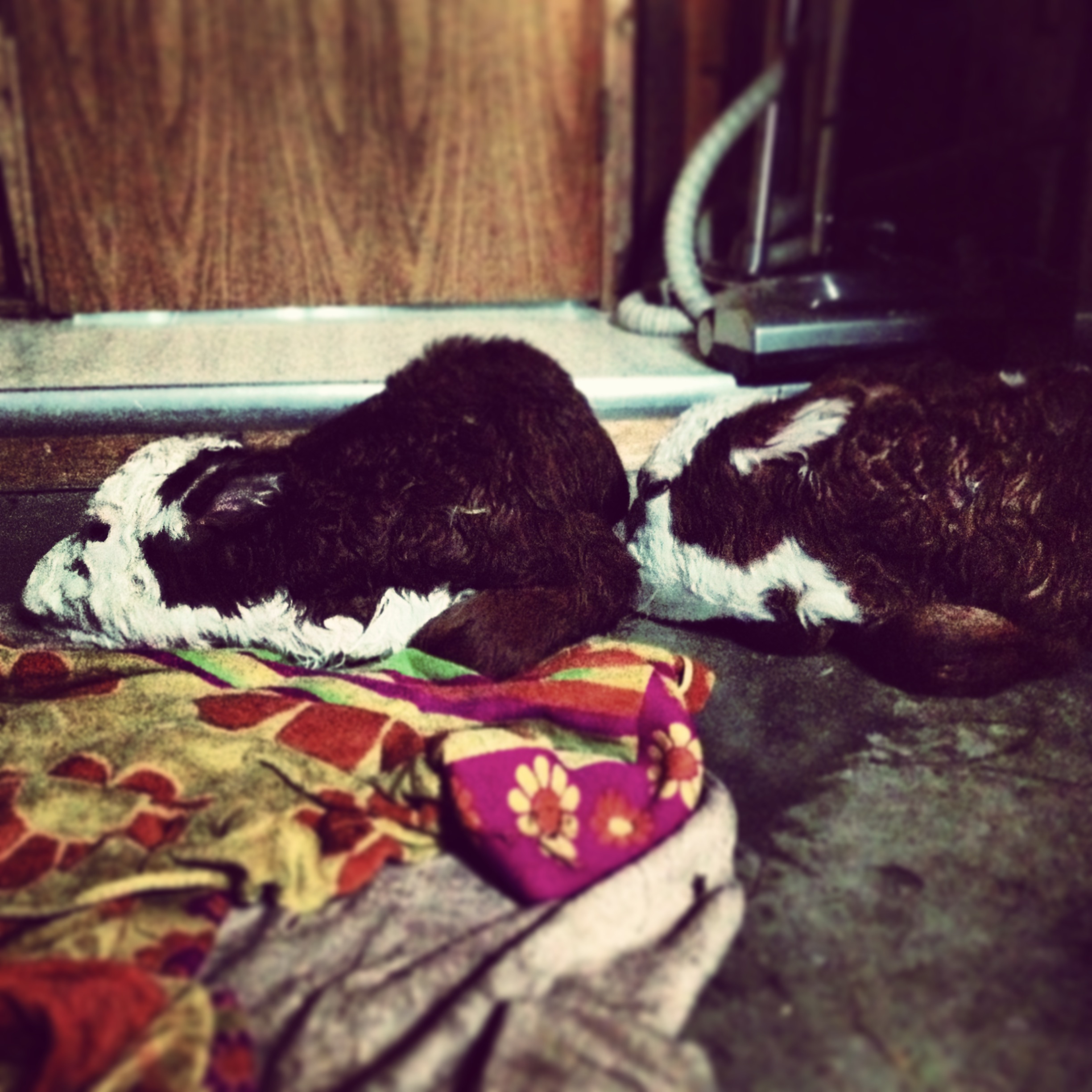
When I was a child, some snowy spring mornings we’d wake and come downstairs to breakfast to find a new-born calf or two lying on the kitchen floor. My father had been out in the middle of the night and had spotted their mothers off by themselves, and rescued the calves before they froze to death. They’d look up at us and bleat and sometimes even try to stand, so Dad would have to calm them, drying them with a towel.
As I sat there eating my Corn Flakes, I often thought about how strange it must seem to the calf, being in this supernaturally warm space that their mother had never seen and would never see. But then I would think about that further and realize that the only other experience they’d had besides the womb was the snowbank. Besides the womb, everything was strange. This place might even be less strange and shocking than the snowbank.
And I would wonder about how it would feel to go back to their mothers, out into the cold world, and live out there for the rest of their lives, never coming back into this house. Would they retain a memory of this moment in the months and years to come? What would they tell the others about this place? Perhaps their stories would become a kind of mythology in the cow world: being born and spirited immediately off to a sort of heaven or hell or combination of the two that they might long for or fear but would never see again.
What would the other cows make of these stories? Would anyone even believe them?
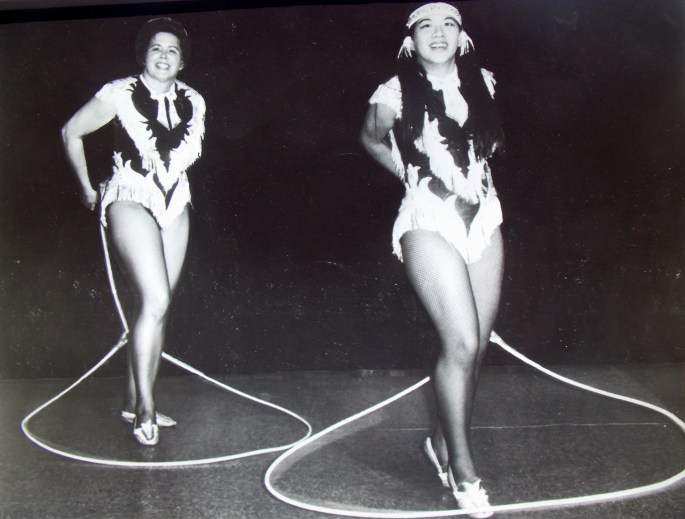
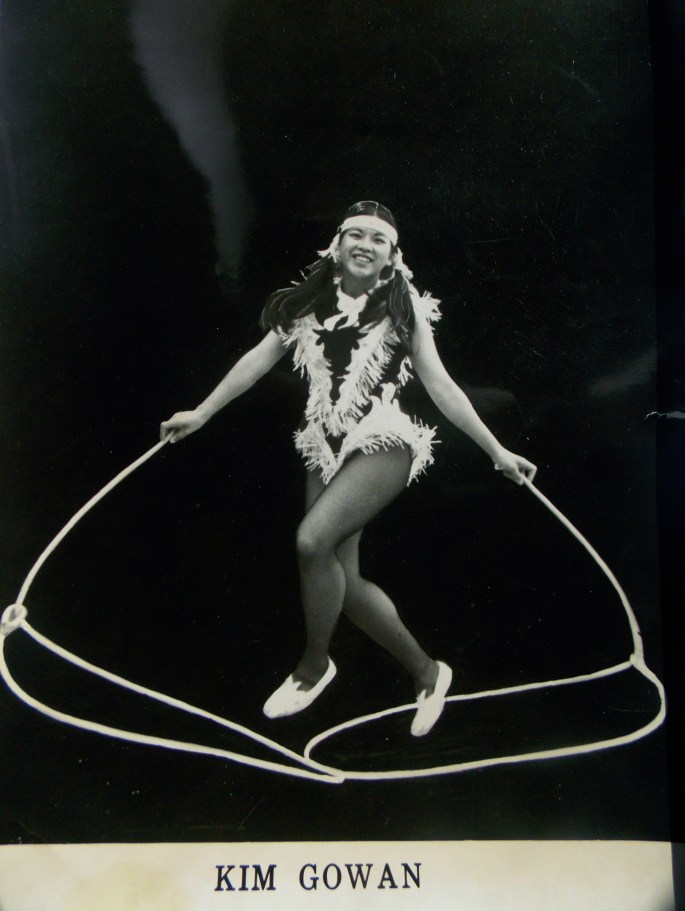
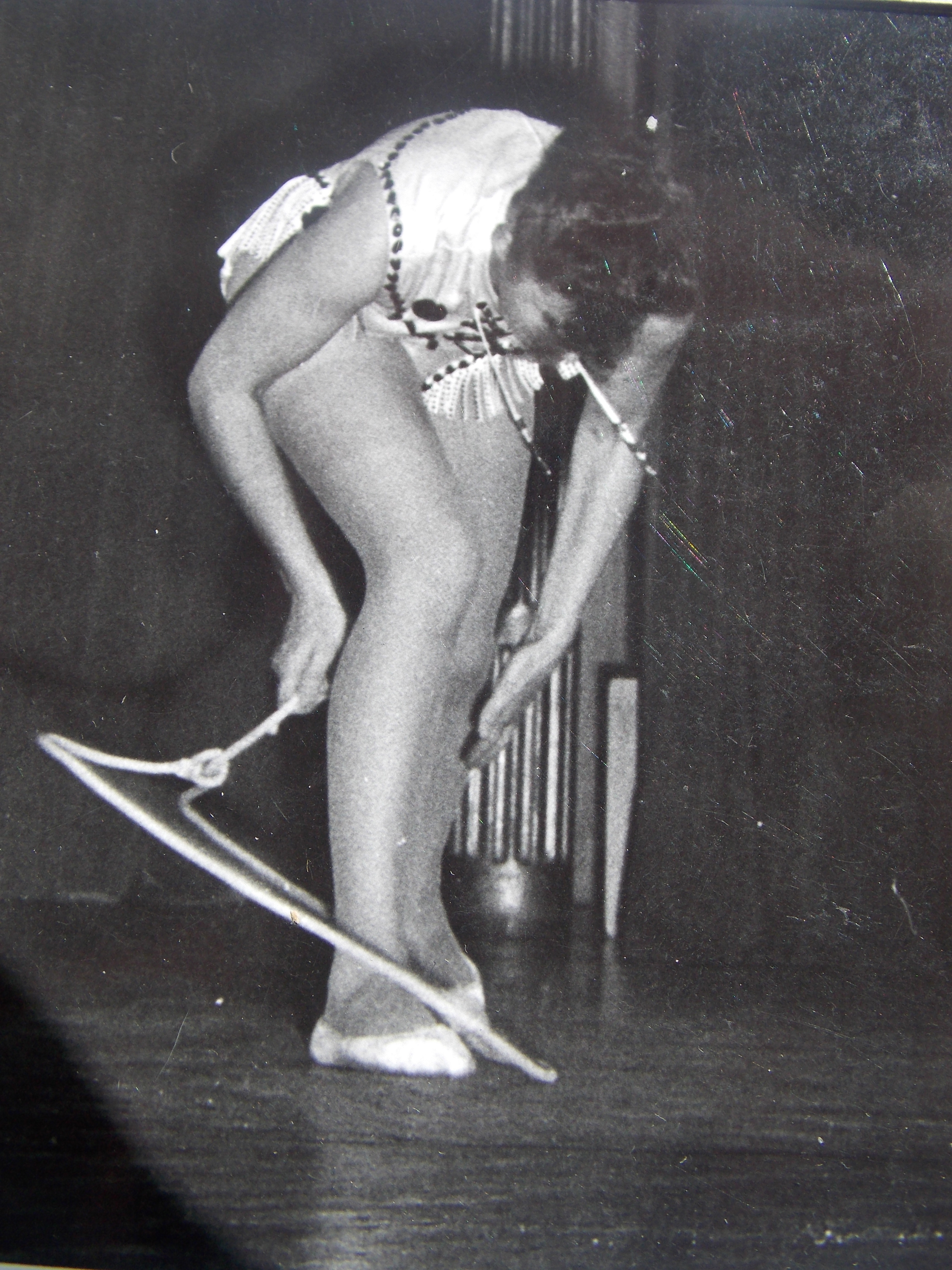
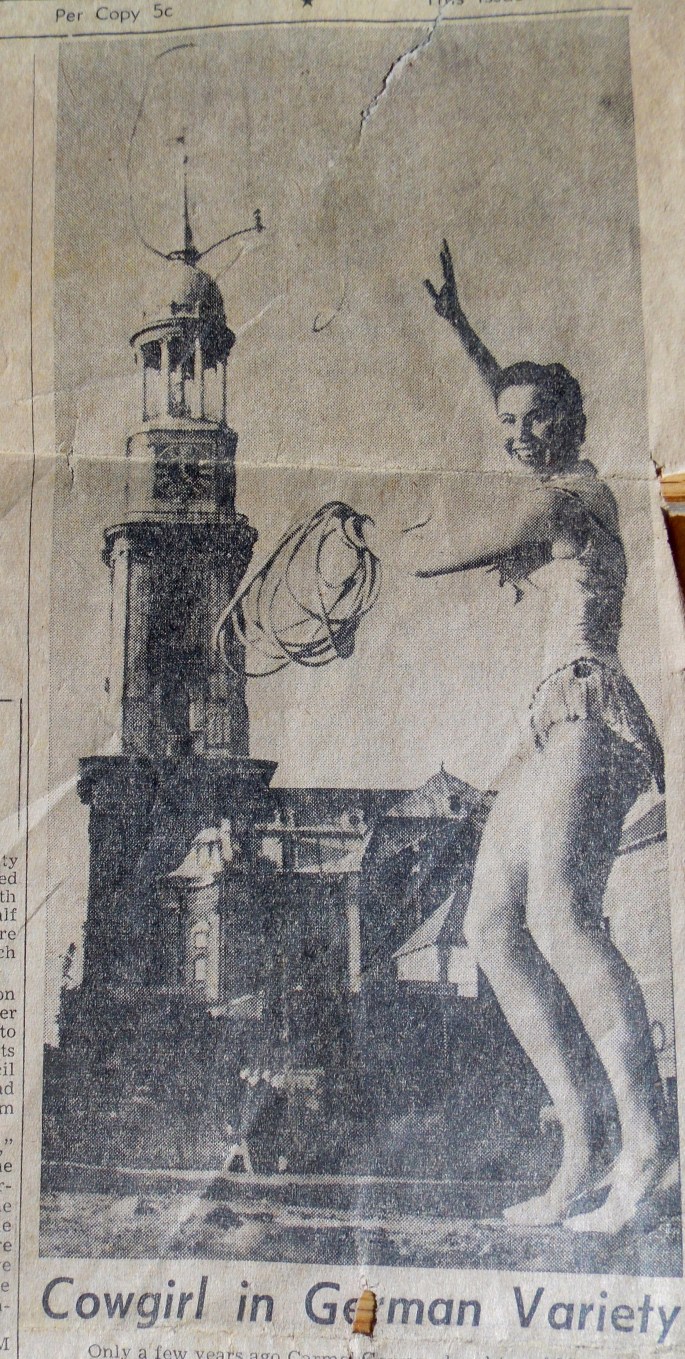
In more than one newspaper interview Aunt Carmel is quoted as saying she did not want Kim, her adopted Vietnamese daughter, to enter show business. She was suspicious of the unsavoury characters one often had to deal with in that world, and didn’t want Kim brought up in the lifestyle. At some point, for some reason, she changed her mind. She managed to teach Kim almost all her rope tricks, costumed her as a First Nations Princess, and made her part of the act.
Kim did most of her schooling by correspondence while they traveled, roping in night clubs, rodeos, and circuses around the world. They worked in over 75 countries. Kim told me that 80% of her life at that time was sewing costumes and practicing. In the fall of 1973 they were in Chile when General Pinochet overthrew Salvador Allende’s democratically elected government in a CIA backed coup. Kim remembers peeking over the windowsill of their hotel room while the tanks rolled through the streets.
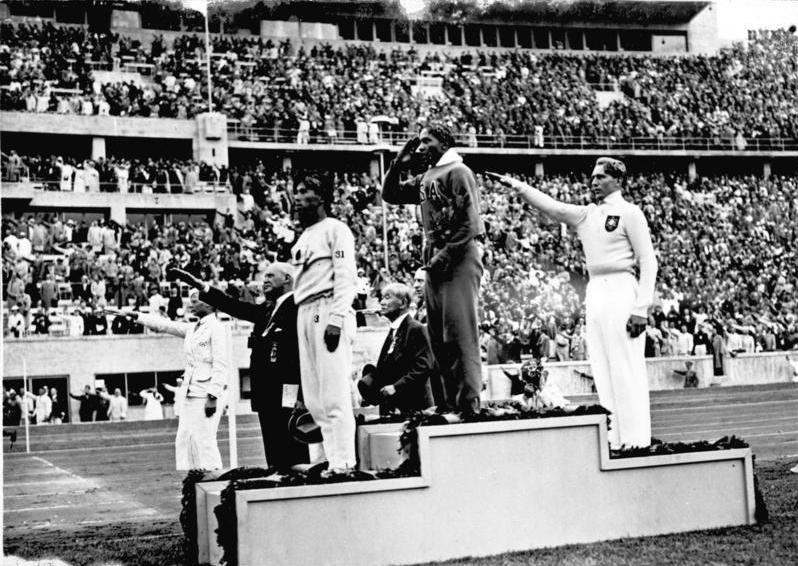
A year later, while touring as the half time show for The Harlem Globetrotters, Carmel and Kim met American gold medalist Jesse Owens on the Globetrotter’s bus. Owens had won four gold medals at the 1936 Berlin Olympics, crushing Adolph Hitler’s myth of Aryan supremacy. The legendary athlete walked down the aisle of the bus and stopped to tell Carmel and Kim how much he had enjoyed their performance.
In 1978 they roped in Tehran at the birthday party of another brutal US backed dictator, The Shah of Iran. Kim remembers that they were offered the leftover food after the party, but turned it down when they found cigarette butts dumped in with the offering. A year later the Shah’s government was overthrown in the Iranian revolution and replaced by the Ayatollah Khomeini.
The Shah of Iran and Queen Farah.
In February of 1981, when I was 19, I met Carmel and Kim in Geneva, Switzerland where they were roping in a tiny nightclub. Besides them, there was a husband and wife magic act from Swiftzerland, and 16 burlesque performers. From there we travelled to Prague, Czechoslavakia, where they were roping at a premiere nightclub in a show that included more than a dozen other artists, including jugglers, acrobats, fire-eaters, sword swallowers, unicyclists, and a troop of trained dogs. After a week I went off to tour Europe on my own, but at the end of March I met them in Vienna on their way to a night club in Ljubljana, Yugoslavia. This adventure provided me with a tiny glimpse into their highly unorthodox lives.
Three years later Kim competed in the World Championships of Roping at the California State Fair in Sacramento and won the top prize. It was quite an achievement for the girl who had been rescued from a Saigon orphanage.
Through all of those years of travel, one of the places that Kim always thought of as her home was my father’s house. When he was dying of lung cancer in 2006, Kim told me that he had been more of a father to her than any man, and wanted to go and see him. We travelled there together shortly after Christmas and she said goodbye.
One of my cousin Kim’s earliest memories is of a village burning. The Vietnam War was a regular feature on television news in the 60s, so many who grew up at that time may have similar memories, but for Kim the war was going on all around her before she ever saw it on television.
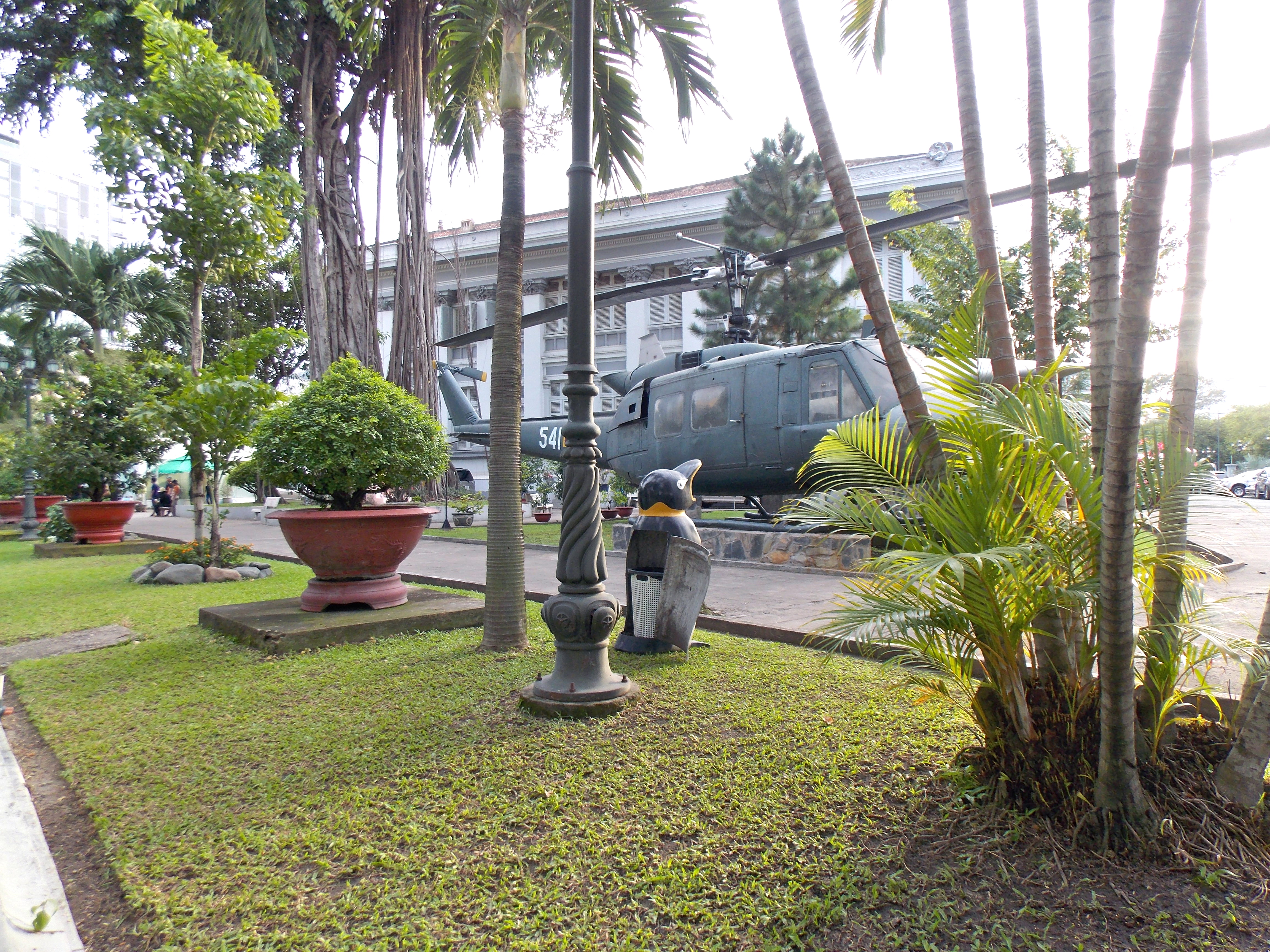
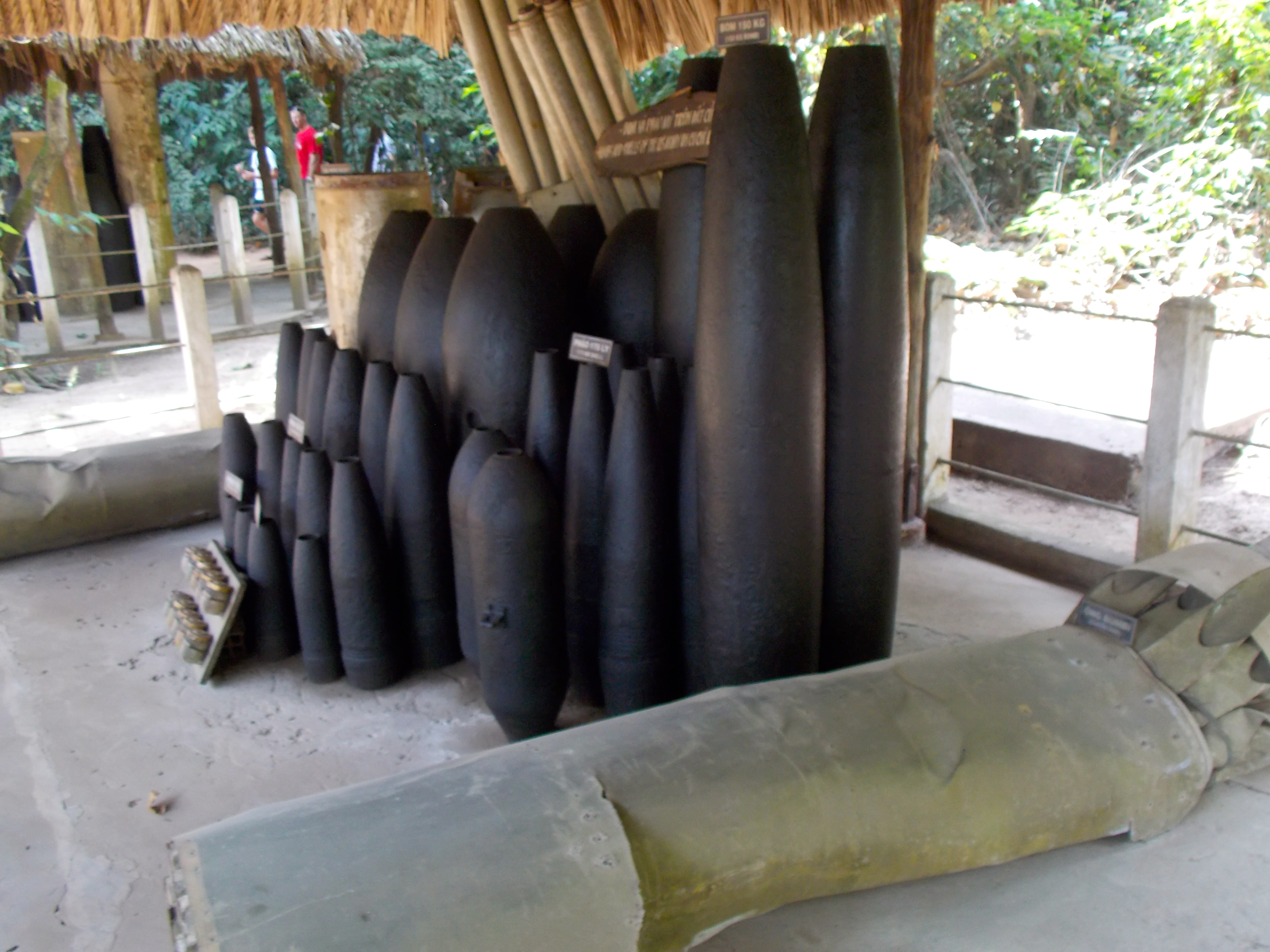
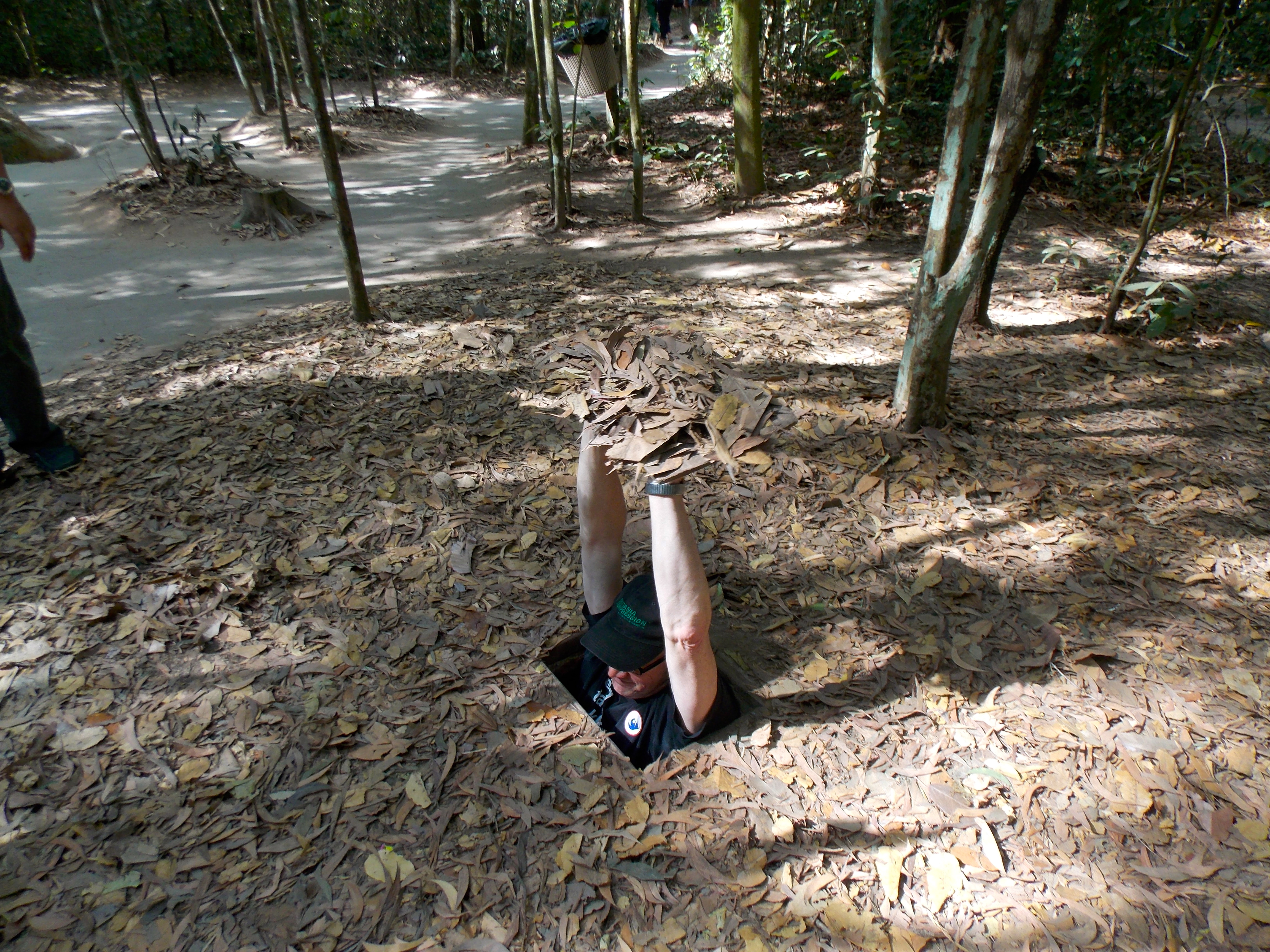
Living an unconventional life in unconventional times my Aunt Carmel decided to become an unconventional mother. Her Western roping act had led her East, where she was performing for American troops at bases in Vietnam. It was 1965. The US Military had adopted a strategy of Search and Destroy in imitation of British tactics in Malaya. In war success has been traditionally measured in terms of territory taken, but the Viet Cong’s guerilla warfare–attacking at night and falling back to hidden positions like the Cu Chi tunnels in daylight–made this measure meaningless. Territory held by US troops in the day became Viet Cong territory at night. The Cu Chi Tunnels are a popular tourist attraction in Vietnam now: here I am in the process of disappearing in a simulation of how the Viet Cong had managed to evade the French and then the Americans.
With their Search and Destroy missions, the US Military’s declared strategy was to measure success with body count. Promotions were based on the number of dead that officers could claim. Thus Kim and thousands of other children ended up in orphanages in Saigon.
Carmel often told the story of how the sickest kid in the orphanage crawled into her lap and threw her arms around her neck. It was love at first sight. Kim was malnourished and both of her ear drums had been punctured with pins to let off pressure from infection. It took a lot of paperwork and pulling strings for a single mother to adopt a child, but Carmel was determined. It took her five months to get Kim on a plane leaving Saigon.
The cover photo to this post, also shown below, is from a Japanese magazine. The photo is taken at the bar of a Japanese night club where Carmel was working after she managed to get Kim out of Vietnam. Being a single mother who worked in night clubs, her return to Canada was delayed seven months while she waited for permission for Kim to enter Canada. This photo was taken during that period of limbo. It must have been a strange life for a child, but much preferable to the conditions in the orphanage in Saigon.
Kim has still never returned to Vietnam, so when I visited there recently she asked me to bring some film clips back for her to see. This one is shot at a Buddhist temple named for Thich Quang Duc, a Buddhist monk who on June 11th, 1963 set himself on fire at a busy intersection in Saigon to protest against the oppression of the US supported South Vietnamese government. The final shot is of Quan Am, Goddess of Mercy and Compassion.
If you ever shared a bedroom with a sibling or siblings you know it ain’t easy. The Gowan girls, Juanita and Shirley and Carmel, shared the tiny room at the top of the stairs that was my sister Heather’s room when I was growing up. I can’t imagine how three of them managed that for so many years without killing one another and I wonder if the lack of privacy wasn’t a motivating factor in my Aunt Carmel running off to join the circus when she was only seventeen.
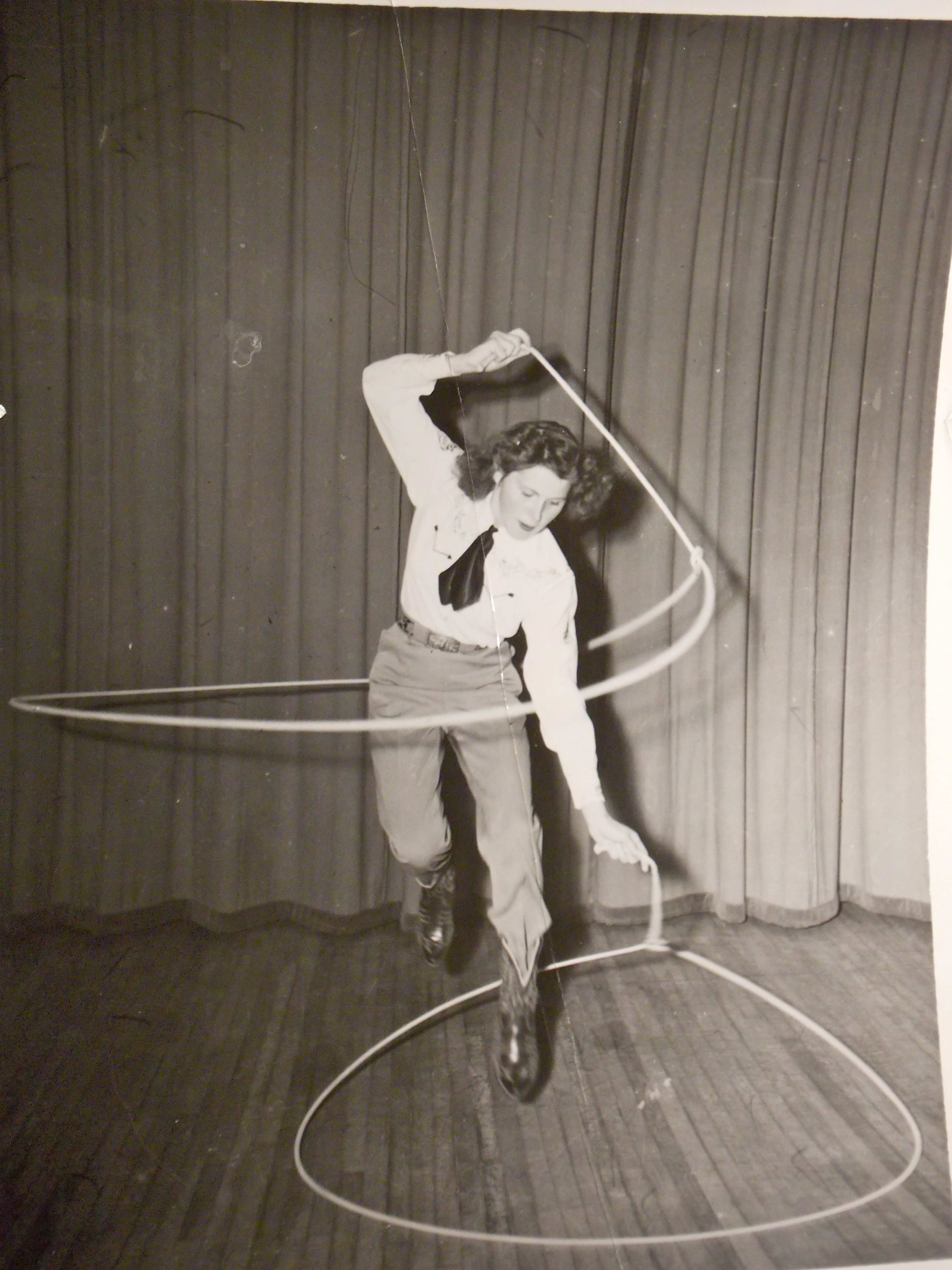
While at The Canadian National Exhibition with the Boy’s Band (see last post), she’d seen a roper in The Autry Show and, knowing she could do 24 more tricks than her, she travelled down to Bangor, Maine and got an audition with Gene Autry, The Singing Cowboy. He gave her a job touring with his show and she began to make a name for herself in the USA.
In 1958 she appeared on The Captain Kangaroo Show. According to the program description, the Captain turned his playhouse into a ranch to make her feel more comfortable. It’s doubtful that would have made Carmel feel more comfortable. She told me once that the only thing she liked about Saskatchewan were the sunsets and the honey. I remember a bumper sticker on her van that said, “Bee Healthy: Eat Your Honey”.
She wanted to see the world and in 1958 Ed Sullivan’s agent Mark Leddy landed her a booking at The Moulin Rouge in Paris. Many agents saw her that month, which led to bookings in Morocco and then the Lido in Algeria, where there was a war going on. She heard machine guns in the streets and rarely left her Hotel. From there she did Madrid, Hamburg, the Blackpool Circus in England and many other night clubs on a two year European tour. Here’s some footage from a television appearance she made in France in 1958:
She’d come a long way, but there were still things she wanted to see.
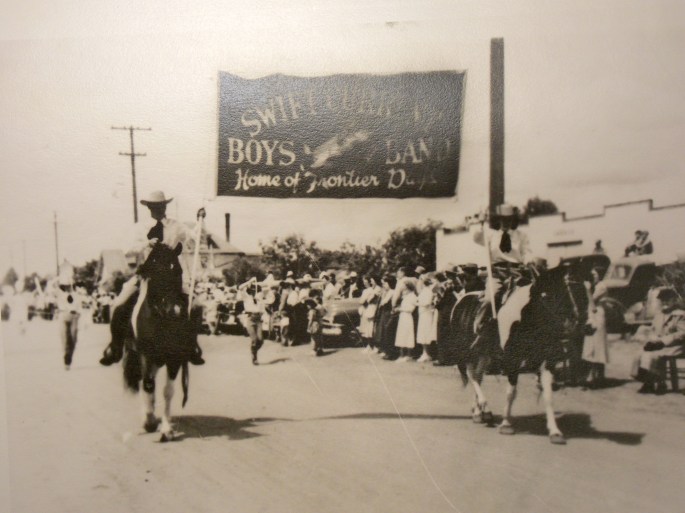
The man with his face in shadow riding the horse and holding the banner is my father, Joe Gowan. The woman holding up the other side of the banner is my Aunt Juanita.
Charlie Warren was the Bandmaster of The Swift Current Boys Band, the proprietor of Warren’s Funeral Home in Swift Current, and a close friend of my grandfather, Nelson Gowan. It was Charlie Warren who gave my father the manual from which he learned the art of taxidermy.
The last time I said good bye to my father was in Warren’s Funeral Home.
He didn’t answer.
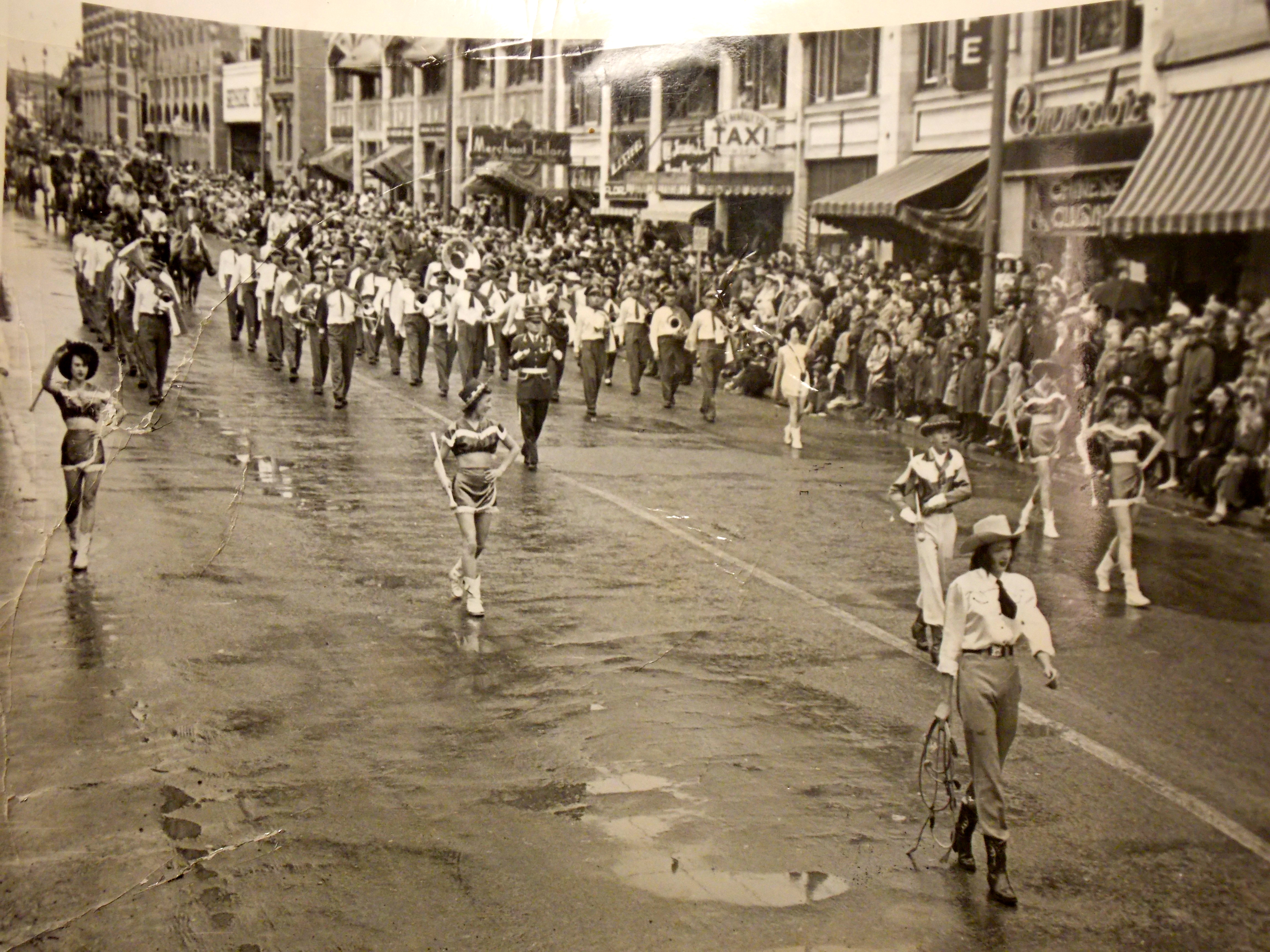
Formed as The Swift Current Air Cadets Band in 1944, The Swift Current Boys Band became ambassadors for the city as it entered its greatest economic boom in the 1950s. Nelson Gowan volunteered his children and his horses (taking them to Calgary at his own expense) to lead the band into competition at the 1950 Calgary Stampede.
The band won first prize. Here’s how a booklet published to celebrate its 10th Anniversary described the event: “Juanita Gowan on a prancing steed, carrying a small banner first caught the eye of the spectators. Behind her came her brothers, Howard and Joe, carrying a new banner between them. They were also mounted on beautiful horses. Then came sisters Shirley and Carmel in a rope spinning act, the majorette corps, drum major Lloyd Payne, and finally the musicians themselves.”
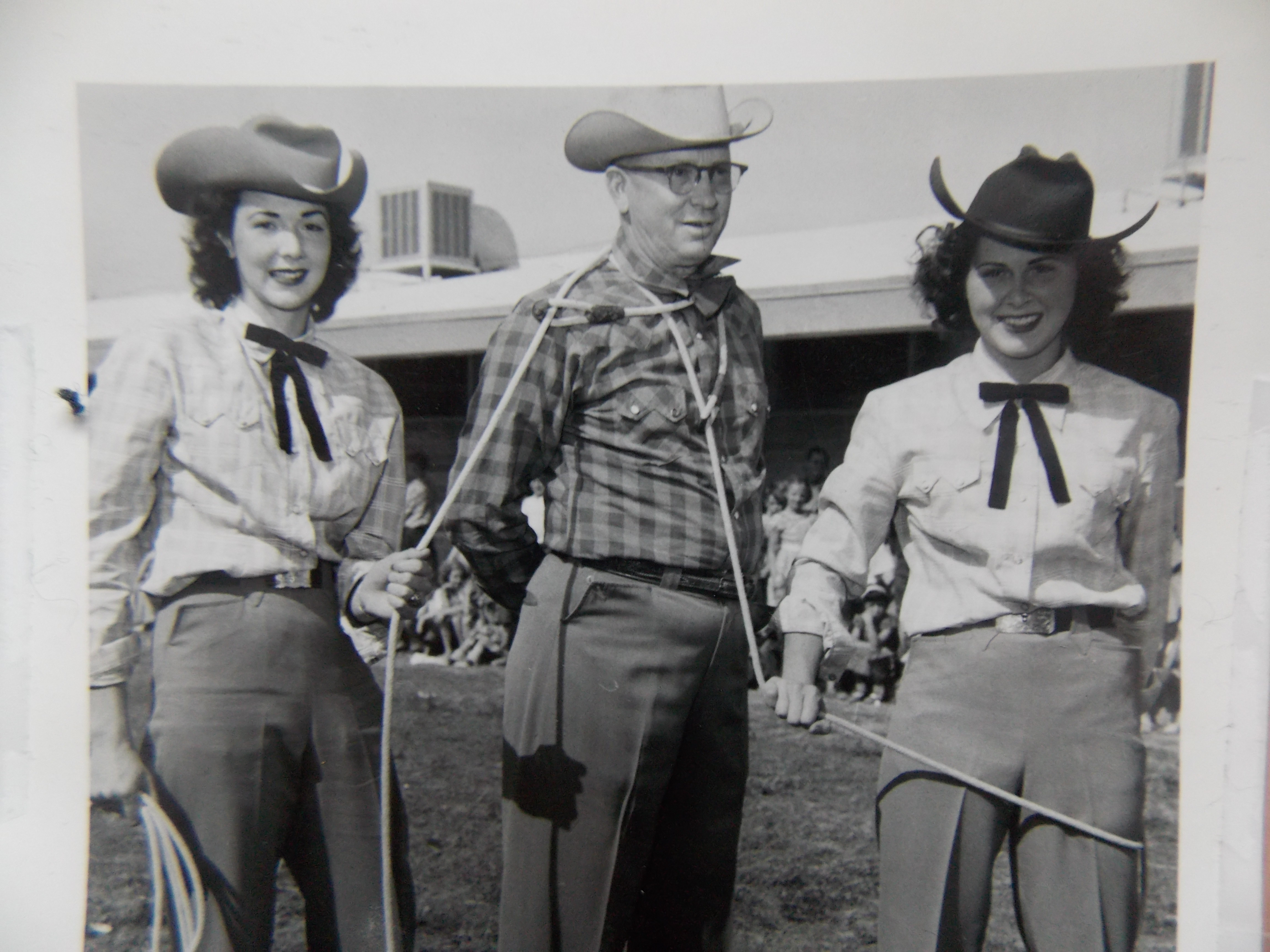
Aunt Carmel and Aunt Shirley had seen Bobby Hill, the rodeo clown, trick-rope at the Frontier Days Fair in Swift Current in 1942. They were impressed enough that they started practicing every day. More than anything else, it was their distinctive skill that differentiated The Swift Current Boys Band from all the rest and led them to three straight titles at the Calgary Stampede.
In 1952 the band and horses travelled by train to Toronto to compete against marching bands from across Canada and the US at the Canadian National Exhibition. This time they finished third. My Uncle Howard donned a uniform that had been worn by Major General Frederick Middleton (who led troops west to crush the Riel Rebellion) and my father wore Superintendent James Walsh’s NorthWest Mounted Police uniform (according to Walsh, he once rode into Sitting Bull’s Sioux encampment at Wood Mountain with six men and told the chief and a few thousand warriors, some displaying the scalps of American cavalrymen, that they’d better behave themselves if they were going to stay in Canada).
It was the girls, though, with their magic ropes, who created the greatest sensation.
I wonder what happened to all those boys. If you know any of them (or any of the majorettes), please leave a response in the box below.
When I was eighteen years old I bought a dozen Canadian beer from the off-sale counter at the Healy Hotel. I was nervous, pulling open the door to that mysterious place, the legal drinking age being nineteen, but the fellow behind the counter took my money without asking for ID. I recall the smell of stale beer and cigarettes.
Later the Healy was one of the first bars where I sat down and ordered a draught. There were orange terry-towel cloths on the tables, held in place by elastic, a large glass jar of pickled eggs on the counter, that smell of stale beer and cigarettes.
The Hotel opened in 1914, so it’s possible my Dad also had one of his first drinks there. He wasn’t much of a drinker and we did not discuss such things, so I have no way of knowing. I do remember eating in the restaurant when I was a small child, and a drunken man at the next table giving me a dime.
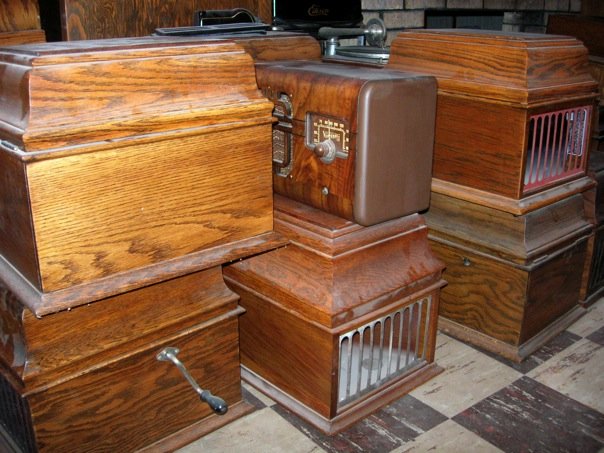
In 1989, at roughly the same time as they were tearing down the Berlin Wall, a wrecking ball demolished the Healy Hotel. My father had bid for the main staircase and came in the highest. The day before the Healy’s destruction, he and my brother Ray ripped up the four flights of stairs, salvaging hundreds of 7 foot by one foot steps, and 7 foot by six inch risers. The boards were oak, much of it quarter cut.
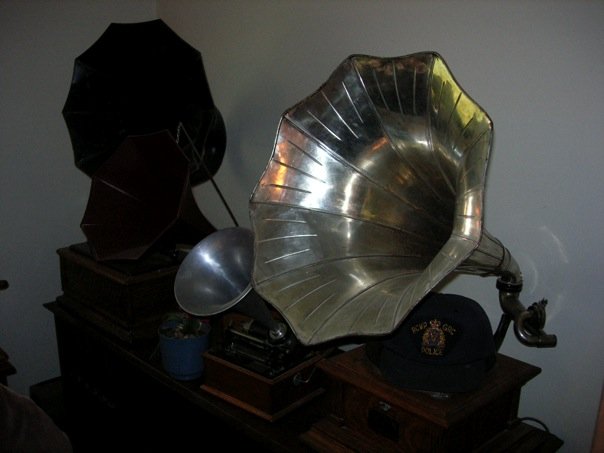
Dad used the oak for his gramophone cases. As a collector, he was not a purist in that he had no qualms about building cases for the machines, or even making parts. He often did both, reconstructing perfect copies of Edison and Victrola machines. There are more than fifty in his collection.
In this way some of the old hotel has been preserved and made music by my father’s handiwork.
In my father’s house there is a room at the bottom of the stairs that has always been called the hall. If you were looking you could find there the telephone, the piano, and my father’s second diorama that displayed smaller migratory birds. The piano and a telephone are still there, but the second diorama and the birds are gone.
In the late 80s a man who worked for the Department of Natural Resources, a provincial government institution, saw the display while on a walk with his daughter, a Girl Guide who was attending a camp or some other event on our property. He was delighted, but was concerned that my father should have permits for the birds, and so informed the general bureaucracy to expedite this process.
This led to a visit from a man from the Federal Environment Ministry who made a pronouncement that the songbirds and ducks and geese that died out of hunting season (he could, he claimed, tell by their pin-feathers when they had died) were being illegally held in our house, as they were also dual citizens of the USA, where they migrated in winter. He threatened that my father would be prosecuted for holding them. My father complied with his threats by donating them to the Natural History Museum in Regina. They were boxed and, to my knowledge, have never been seen since.
My father never stuffed another bird. To fill this place in his soul he took up the restoration of gramophones.
I’m unsure of the moral of this tale: his gramophones are as beautiful as his birds.
In the late 30s Swinton School, my father’s school, burned to the ground. For the next few years my father’s house served as the local school. A succession of teachers lived here, sleeping in the southwest bedroom, which would later become my brother’s and mine, and finally just mine.
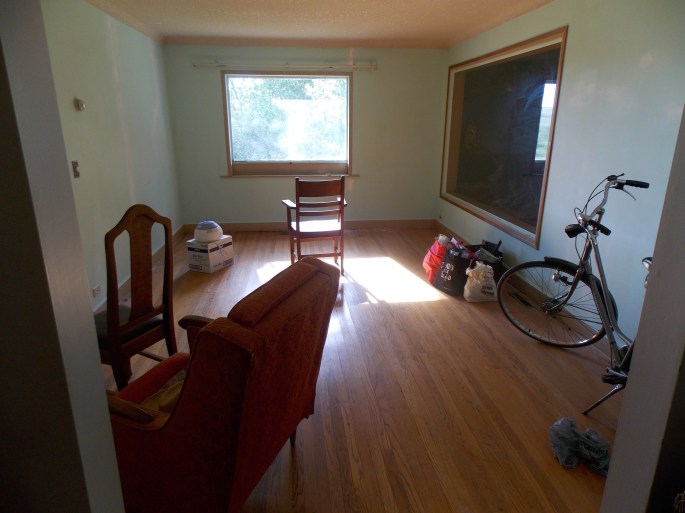
The living room was where classes took place for the very few pupils who attended. There were Dad’s three sisters, Juanita and Shirley and Carmel, Uncle Howard, and my father, joined by a few other neighbour kids. The living room then was not much different than the living room now: the lath and plaster walls and the oak floor where I took my first steps and my sister Alison rode her first mule (though there was an ugly brown carpet covering the beautiful floor for many years).
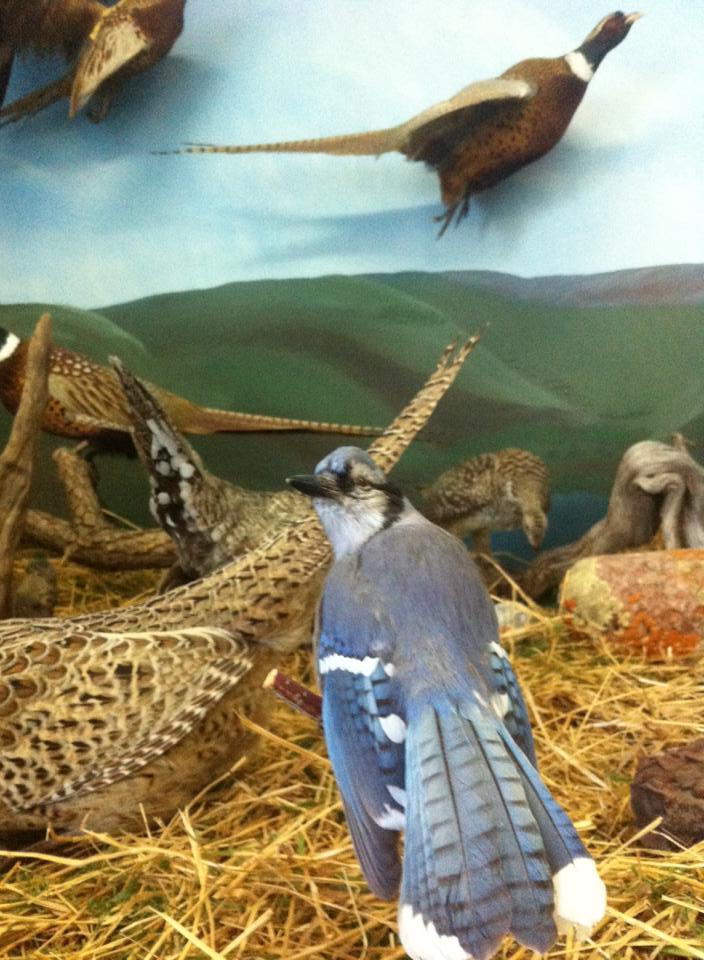
The major differences in the room today are the starry white stippled ceiling Mom and Dad added in the early 70s and the large diorama Dad built around the same time to display his taxidermy. It’s filled with prairie birds that he’d found dead (my father was not a hunter: prided himself a “conservationist” and posted our land to protect the wildlife) or the neighbours brought to us and my father stuffed. When I was growing up it was not unusual to find a dead snowy owl when you went to the deepfreeze for a gallon of ice cream.
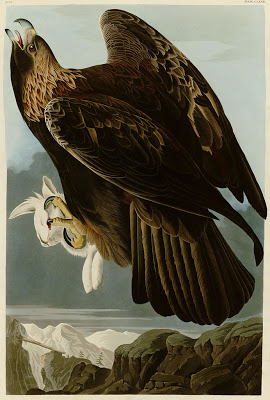
In the top left corner of the diorama there is a golden eagle swooping down, its wings spread wide, sinking its claws into the back of a pheasant. I believe Dad modelled it on an Audobon illustration. The pheasant’s head is thrown back in terror and pain, giving out a silent pheasant scream, frozen in its final seconds of suffering.
I remember the evening at supper when that eagle hit the power line in our yard and skittered to the ground, and remember my father rushing outside to save it from its misery. Somewhere in my mind I have stored an image of him struggling with the eagle, holding it in his hands while the wings were still weakly flapping.
But can that be real?
The left wing, not visible as you look up at it in the diorama, is badly damaged from striking the wire.
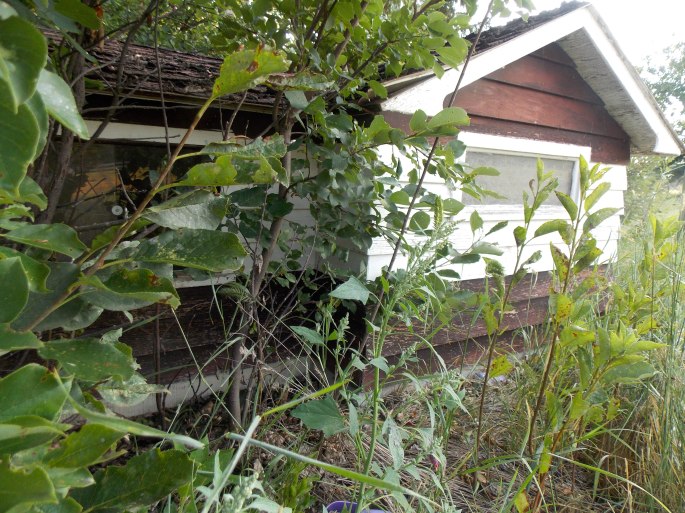
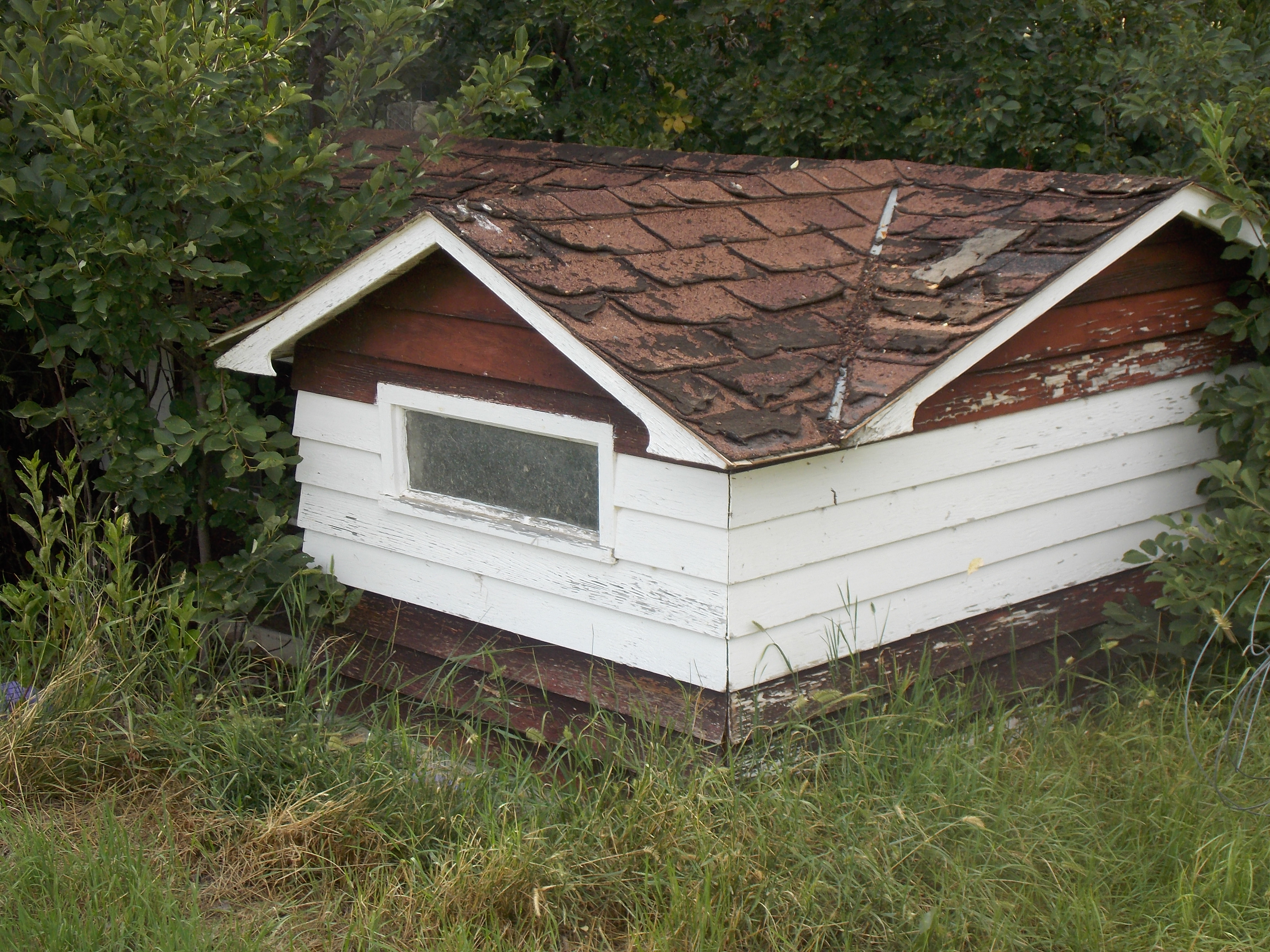
In the mid-60s my father built a playhouse across the yard from the farmhouse. A miniature suburban bungalow painted with a strip of white and a strip of robin’s-egg blue so that it contrasted with the other buildings on the farm. Later the blue was changed to the reddish-brown Hereford cattle colour that matched all of the other buildings. You can spot it through the kitchen window and across the yard in my first post:
The house appears to be tiny, but this is partly illusion: Dad had dug it into the side of the hill in the shelter of the chokecherry trees. The door was around behind, on the north side, and the ceiling was over six feet high, so that an adult could comfortably stand. It was wired with an electric overhead light (operated by a genuine light switch on the wall by the door) and 110 volt sockets connected on a circuit to the house. There was fibreglass insulation in the walls so that it could be heated comfortably in winter, and Dad had installed a fireplace and chimney on the west wall (a fake fireplace: an electric heater sat in the wooden hearth). There was an intercom to communicate with the farmhouse. The walls of the six-by-ten foot room were clad with wood panelling below a wainscoting, and painted drywall over top. It was all a perfect replication of a grown-ups house, and it was our space entirely.
Heather and I held many a tea party there in the first year or two of its construction. Later it became the prime sleepover spot. Four boys or four girls could fit quite comfortably. We would play boardgames until all hours without keeping everyone else awake. Sometimes when it got too late and they could see the light still on, Mom or Dad would flip the breaker and plunge us into darkness for a moment to signal that it was time to sleep.
There was no proper foundation and by the time I was in my early 20s, the joists under the linoleum floor had rotted. Dad packed it with straw bales and turned it into a cat house: felines tame and feral lived there in winter, entering through a hole he made in the centre of the plastic window.
There are no longer even cats living there. Maybe mice.
 As I sat there eating my Corn Flakes, I often thought about how strange it must seem to the calf, being in this supernaturally warm space that their mother had never seen and would never see. But then I would think about that further and realize that the only other experience they’d had besides the womb was the snowbank. Besides the womb, everything was strange. This place might even be less strange and shocking than the snowbank.
 Kim did most of her schooling by correspondence while they traveled, roping in night clubs, rodeos, and circuses around the world. They worked in over 75 countries. Kim told me that 80% of her life at that time was sewing costumes and practicing. In the fall of 1973 they were in Chile when General Pinochet overthrew Salvador Allende’s democratically elected government in a CIA backed coup. Kim remembers peeking over the windowsill of their hotel room while the tanks rolled through the streets.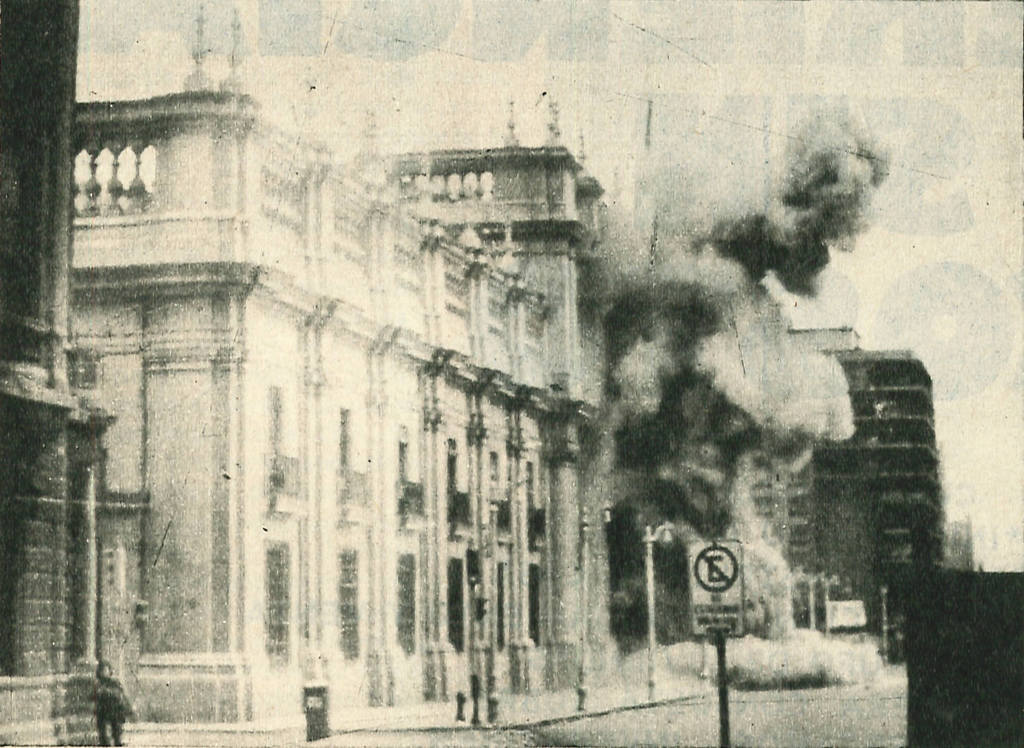

 Through all of those years of travel, one of the places that Kim always thought of as her home was my father’s house. When he was dying of lung cancer in 2006, Kim told me that he had been more of a father to her than any man, and wanted to go and see him. We travelled there together shortly after Christmas and she said goodbye.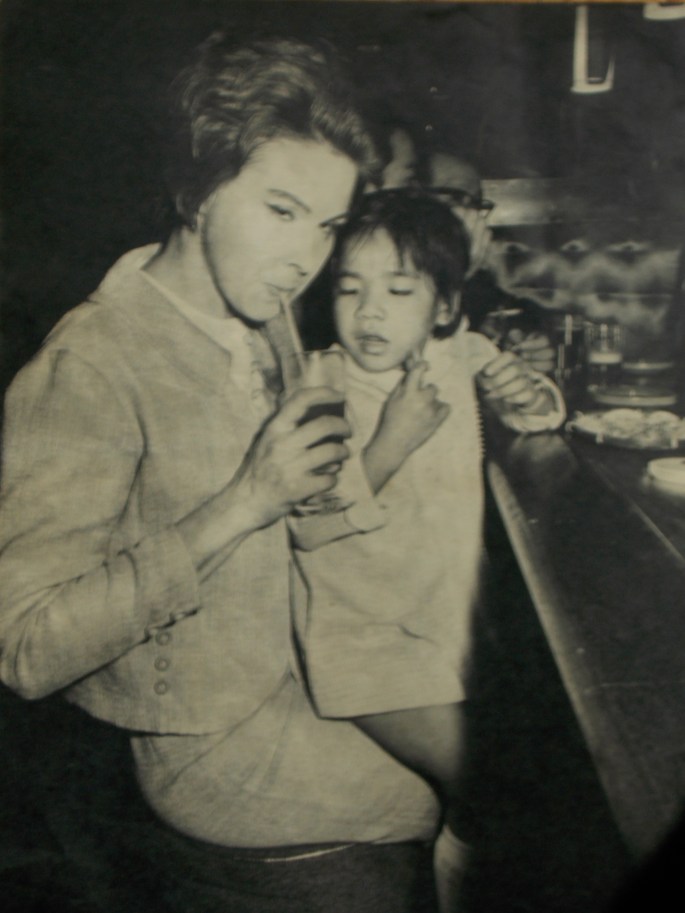
















 Lee Gowan